
Andropenis Review: The Experience That Sent Me to the Doctor
This Andropenis review is not the positive account I wanted to write. I bought the Andropenis Gold extender because it looked professional and carried a long history in the market. It was marketed as a medically backed solution, which gave me confidence that it would be safe to use. I thought I was investing in a reliable product that had stood the test of time. Instead, what I found was an outdated design that left me with bruising, swelling, and eventually a doctor’s appointment I never expected. What was supposed to be a confidence booster turned into a painful lesson about listening to my body and not trusting marketing alone.
How I Came Across Andropenis
I first heard about Andropenis while reading about traction therapy. Several articles and discussions mentioned it as one of the oldest extenders with clinical recognition. That intrigued me because I assumed something that had been around for so long must be effective and safe.
I also saw mentions of it being used in Europe and having medical approval in some countries. That gave me a sense of security. I figured if it was good enough to be recognized by doctors somewhere, it had to be a safer choice than newer, untested brands.
Why I Decided to Try It
The decision came down to trust. Andropenis Gold wasn’t the cheapest option, but it wasn’t overly expensive either. It felt like a middle ground—affordable but still reputable.
The gold edition also gave the impression of being premium, like it had been made with higher quality in mind. I convinced myself that this was the right pick because I wanted a device that felt medically reliable, not just a gadget sold online.
My First Impressions of the Device
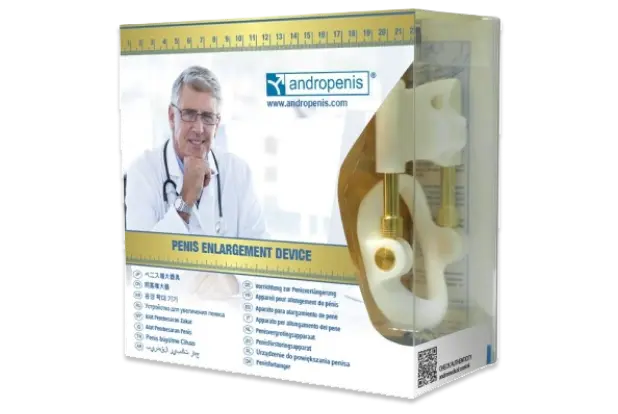
When the package arrived, it looked professional and well-presented. The extender itself had a polished finish. The rods looked sturdy, and the kit included everything needed for adjustments.
But when I actually handled the device, the design felt old-fashioned. The noose-style strap seemed uncomfortable, and the base ring felt rigid. I told myself it wouldn’t matter once I got used to it, so I pushed past my initial doubts.
Getting Started
I began with short sessions of about an hour. Immediately, I felt discomfort around the strap. It pinched and left red marks. After removing it, the area felt sore, but I assumed this was part of the adaptation process.
Over the first week, I tried adjusting the tension to find a balance. Too loose, and it slipped off. Too tight, and the discomfort was sharp. I never found a sweet spot that felt genuinely comfortable.
Trying to Stay Consistent
Despite the issues, I continued using the device into the second week. I wore it for two to three hours a day, splitting sessions between morning and evening. The discomfort never really went away.
I also started noticing occasional numbness, which worried me. Still, I convinced myself that persistence would lead to progress. I didn’t want to give up too soon after investing time and money.
The Breaking Point
The third week was when everything went wrong. I wore the extender for nearly three hours one evening, tightening the noose strap to keep it from slipping. Halfway through, I started feeling an intense burning pain.
When I removed the device, I was shocked to see bruising and swelling. The underside of my shaft was red and tender. I tried resting and applying a cold compress, hoping it would calm down overnight.
Instead, the swelling worsened by morning. Erections became painful, and I knew this wasn’t something I could ignore.
Visiting the Doctor
Embarrassed but concerned, I went to a doctor. After examining me, he explained that the noose strap had restricted circulation, leading to tissue damage. He told me this type of injury was common with outdated extender designs that rely on noose systems.
The doctor prescribed ointment, recommended rest, and made it clear that I should stop using the device immediately. His warning was blunt: continuing with it could cause long-term harm.
Recovery and Frustration
The healing process took weeks. Physically, I recovered, but emotionally, I was frustrated. I had bought Andropenis Gold expecting progress, but instead, I was forced to step back and rethink everything.
During recovery, intimacy was difficult. Pain and anxiety got in the way, and what was supposed to build confidence ended up shaking it instead.
Realizing the Red Flags
Looking back, I see the signs I ignored. The rigid base, the noose strap, the constant discomfort, and the numbness were all warnings. I pushed through because I wanted results, but I paid the price for not listening to my body.
I also realized that just because a product has history and recognition doesn’t mean it’s the best option today. Designs evolve, and safety features improve. Andropenis felt stuck in the past.
Lessons I Learned
This experience taught me a few important lessons:
- Comfort is non-negotiable. If a device isn’t comfortable, it isn’t safe.
- Medical approval in one context doesn’t mean it’s the right choice everywhere.
- Outdated designs like noose straps carry higher risks than modern alternatives.
- Listening to your body is more important than following marketing promises.
Would I Recommend Andropenis Gold
No, I wouldn’t. This Andropenis review reflects my personal experience, and I can’t recommend it after what happened. While some men may manage to use it without issues, the risks outweigh the potential benefits.
There are modern extenders available with safer, more comfortable designs that deliver results without putting your health at risk. For me, Andropenis Gold was a painful lesson rather than a confidence booster.
Final Thoughts
What I thought would be a straightforward path to improvement turned into a medical setback. Andropenis Gold may have history, but its outdated design caused me more harm than progress.
This Andropenis review is an honest account of why I wouldn’t choose it again. If you’re considering an extender, I’d strongly suggest looking into more modern devices that prioritize safety and comfort. Confidence should come from steady progress, not from pushing through pain that lands you in a doctor’s office.